Roofers in Indianapolis: Quality Roof Solutions
Discover Trustworthy Roofing Services Designed for All Types of Home
Reliable roofing services are crucial for homeowners pursuing durability and aesthetic appeal. Different materials and styles cater to different preferences and budgets. Understanding the choices available can significantly impact the longevity and performance of a roof. Regular maintenance and timely repairs are essential for safeguarding this crucial structure. Homeowners must also consider the significance of choosing the right contractor. What factors should influence their decision in selecting a roofing option?

Exploring Multiple Roofing Components
When thinking about a new roof, homeowners must understand the numerous roofing materials available, as each option presents unique benefits and challenges. Asphalt shingles are among the most preferred due to their economic value and ease of installation. They offer a decent lifespan and feature numerous colors and styles. Metal roofing, notable for its durability and energy efficiency, can resist extreme weather conditions but may have a higher upfront cost. Clay and slate tiles present a classic aesthetic and longevity, yet they are heavier and commonly require reinforced roof structures. Wood shakes and shingles provide natural beauty and insulation but necessitate more maintenance. Finally, synthetic materials can mimic the appearance of traditional options while reducing weight and boosting durability. Each roofing material has particular characteristics, making it vital for homeowners to meticulously consider their needs, budget, and local climate when making a decision.
Importance of Consistent Roof Care
Regular roof maintenance plays a vital role in preserving a home's integrity and financial investment. By spotting early damage and addressing minor issues quickly, homeowners can stop costly repairs down the line and extend the lifespan of their roofs. This proactive approach not only supports durability but also results in considerable cost savings over time.
Preventative Cost Reductions
Dedicating resources to regular roof maintenance can substantially reduce long-term costs for homeowners. By tackling minor issues before they escalate, such as leaks or damaged shingles, homeowners can prevent considerable repair bills and potential structural damage. Regular inspections allow for timely interventions, ensuring that small problems do not develop into costly emergencies. Furthermore, maintaining a roof can boost energy efficiency, reducing heating and cooling costs. Homeowners who prioritize roof care also gain potentially lower insurance premiums, as well-maintained roofs are less likely to result in claims. Eventually, consistent maintenance fosters a proactive approach, safeguarding the investment in the home and ensuring peace of mind. As a result, the financial gains of regular roof upkeep are evident and persuasive.
Extending Roof Lifespan
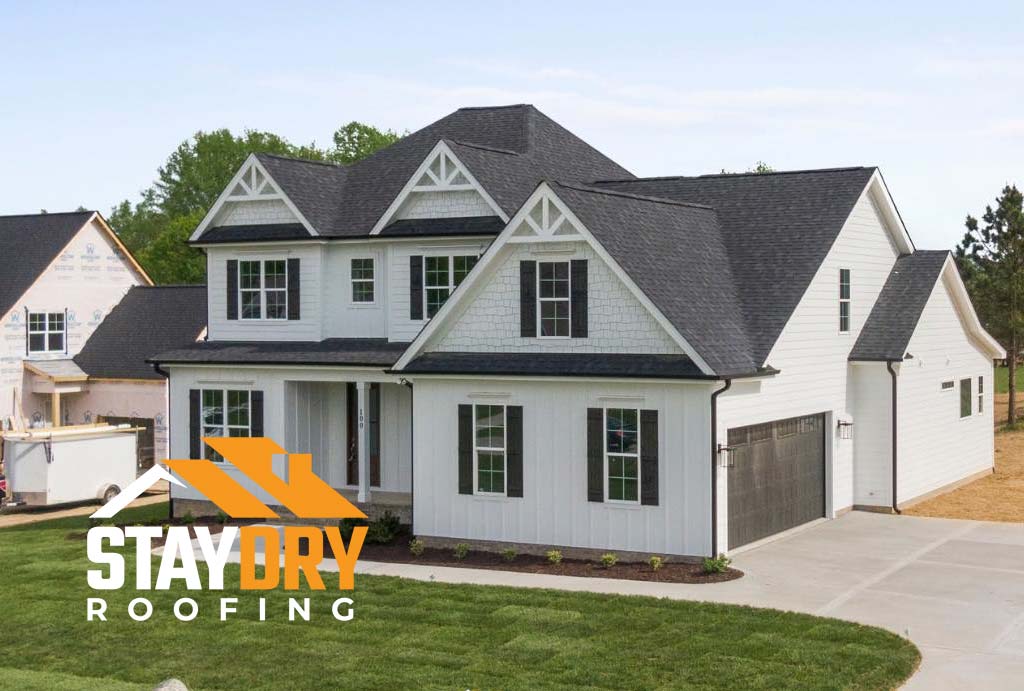
Maintaining a roof through regular care significantly extends its longevity. Regular maintenance ensures that potential concerns are addressed before they escalate into major problems. Regular inspections help identifying wear and tear from environmental factors, such as weather and debris collection, which can compromise the roof's integrity. Cleaning gutters and removing moss or algae not only boosts aesthetics but also avoids water damage. Additionally, timely repairs of minor leaks or damaged shingles can stop further deterioration. Homeowners who invest in routine maintenance can benefit from improved energy efficiency and reduced replacement costs. Ultimately, a well-maintained roof not only shields the home but also enhances its overall value, demonstrating that proactive care is essential for longevity.
Identifying Initial Damage
Periodic inspections play an essential role in spotting early damage to a roof, enabling homeowners to address issues before they escalate. Routine maintenance helps in discovering problems such as damaged shingles, leaks, or signs of wear that could compromise the roof's integrity. Minor problems, if ignored, can cause serious damage, resulting in costly repairs or even roof replacement. Homeowners are encouraged to inspect their roofs at least twice a year and after major weather events. In addition, hiring professional roofers for thorough evaluations can provide expert insights into potential vulnerabilities. By stressing early detection through periodic inspections, homeowners can maintain the longevity and reliability of their roofing systems, ultimately protecting their investment and enhancing overall home value.
Warning Signs Your Roof Needs Repair
Recognizing the signs that a roof needs repairs is crucial for protecting the integrity of a home. Homeowners should be attentive to noticeable shingle damage, water leaks inside the property, and the presence of granules in the gutters. Tackling these issues promptly can stop more extensive damage and costly repairs in the future.
Noticeable Shingles Deterioration
A substantial number of homeowners may overlook visible shingles damage, however it serves as a crucial indicator that a roof demands attention. Warning signs such as cracked, missing, or curled shingles can point to underlying issues that may escalate over time. Discoloration, often caused by algae or moss growth, can also damage the roof's integrity. Homeowners should consistently inspect their roofs, especially after severe weather events, to spot any signs of damage early. Addressing useful information visible shingle damage promptly can stop more substantial repairs and costly replacements in the future. In addition, a well-maintained roof improves a home's curb appeal and overall value, making it important for homeowners to remain vigilant about the condition of their roofing materials.
Water Leaking Indoors
How might homeowners discover water leaks in their houses? Property owners must watch for particular indicators that suggest possible roofing issues. Stains on ceilings or walls often suggest water intrusion. Additionally, homeowners could spot peeling wallpaper or paint due to continuous dampness. Moreover, a musty odor may indicate mold growth due to hidden leaks. Property owners ought to inspect attic spaces for moisture in insulation or damp areas that indicate roofing problems. Water leaks occurring in rainy weather provide unmistakable evidence of roof failure. Quick discovery of these warning signs proves critical, helping residents find dependable roofing experts before small defects develop into serious problems. Being proactive maintains a protected and dry household.
Gutter Granules
When home occupants discover granules collecting in their gutters, it often points to the fact that their roof could be in need of repairs. These granules are generally created from the protective layer of asphalt shingles, which can deteriorate over time due to exposure to the elements. Their presence in gutters reveals that the roof is losing its integrity, possibly leading to leaks and more damage. Homeowners should check their roofs for extra signs, such as missing or curled shingles, and contemplate seeking professional assistance. Disregarding the accumulation of granules can cause more significant issues, including costly repairs or even the need for a complete roof replacement. Swift intervention can help extend the roof's lifespan and protect the home from water damage.
Roof Setup Alternatives for Newly Built Homes
Selecting the right roofing material for a new home is crucial, as it not only affects aesthetic appeal but also affects energy efficiency and durability. Homeowners today have several roofing materials to consider, each offering unique advantages. Asphalt shingles are popular due to their affordability and ease of installation, making them a common choice for many new homes. Metal roofing, conversely, provides longevity and can withstand extreme weather conditions, appealing to those seeking durability. Tile roofs, known for their distinctive look, offer excellent insulation and can enhance a home's architectural style. Wood shakes provide a natural appearance but require more maintenance. Furthermore, slate roofs, while more expensive, are known for their elegance and lifespan. In the end, the choice of roofing material should correspond with the homeowner's budget, climate conditions, and design requirements, ensuring a fitting and lasting shelter for years to come.
Energy-Saving Roof Systems
What elements influence energy-efficient roofing solutions? Several key elements play a significant role in boosting a home's energy efficiency. First, the option of roofing material is crucial; materials for example metal, clay tiles, and certain asphalt shingles can reflect sunlight, minimizing heat absorption. Additionally, appropriate insulation below the roof aids in sustain indoor temperatures, lowering the reliance on heating and cooling systems. Ventilation is another vital factor, as it permits hot air to escape, eliminating heat buildup in the attic. The roof's color also determines energy efficiency; lighter colors generally reflect more sunlight, causing lower cooling costs. Moreover, the installation of reflective coatings can boost a roof's efficiency. These solutions not only contribute to reduced energy consumption but may also lead to lower utility bills, making energy-efficient roofing an attractive option for homeowners aiming to invest in sustainable living.
Picking the Right Roofing Professional
In what way can homeowners ensure they choose a reliable roofing contractor? First, they should seek recommendations from friends, family, or neighbors who have recently completed roofing projects. Internet reviews and ratings can also provide valuable information into a contractor's reputation. It's essential for homeowners to verify that the contractor is fully licensed and insured, securing them from potential legal issues.
Property owners should request various estimates, making certain they understand the scope of work and materials included. A trustworthy contractor will provide a complete written proposal and be willing to answer questions.
Additionally, examining the contractor's references helps homeowners to gauge past work quality and customer satisfaction. Conducting a thorough interview process can also reveal the contractor's expertise and professionalism. Eventually, by conducting diligent research and asking the right questions, homeowners can make educated decisions, making sure they select a roofing contractor who addresses their needs and expectations.
Most Asked Questions
What Is the Average Timeline for Completing a Roofing Project?
A typical roofing project generally takes between one to three weeks to finish. Elements affecting the timeline include the scope of the project, weather conditions, and the roofing materials used, which can influence progress and efficiency overall.
What Warranty Options Are Available for Roofing Services?
Different warranties are accessible for roofing services, including product warranties safeguarding materials and workmanship warranties from contractors. These warranties usually vary from five through thirty years, offering protection against issues and premature failures.
Can You Install a New Roof Over an Existing One?
Installing a new roof over an existing one is achievable, but it relies on area building codes, the structural integrity of the existing roof, and the kind of materials used. Working with a professional is recommended.
How Do I Prepare My Home for a Roofing Project?
To get ready for a roofing project, homeowners should clear the space around their home, take away outdoor furniture and decorations, ensure access for workers, and keep pets indoors, forming a safe and efficient work environment.
What Financing Options Are Available for Roof Repairs?
Several financing solutions for roof repairs include personal loans, home equity loans, and specialized contractor financing. Moreover, some homeowners may qualify for government grants or assistance programs focused on home improvement and maintenance.